Chicago – Teen Edition: a review
Chicago – Teen Edition: a review
Watching Chicago – Teen Edition come to life at St Dominic’s Sixth Form College was, for me, an experience defined by skill, discipline, and sheer theatrical confidence. From the opening moments, it was clear that this was a cast who had not only embraced the style of the show but mastered the demanding vocal and physical language required to make it land.
The production announced its ambition immediately in the overture, as the entire cast launched into a tightly synchronised tap sequence. The precision, stamina, and musicality on display set a high bar for the evening and established a company operating with real technical assurance. Throughout the show, singing and movement were never treated as separate disciplines; instead, vocal delivery and choreography were fused into a unified, highly polished performance style.
The immersive nature of the production deepened this impact. Projected lyrics, spoken cues, and visual prompts encouraged the audience to sing, shout, and respond in real time, dissolving the traditional boundary between stage and auditorium. This was not gimmickry, but an extension of the performers’ confidence: a cast secure enough in their material to invite the audience directly into it.
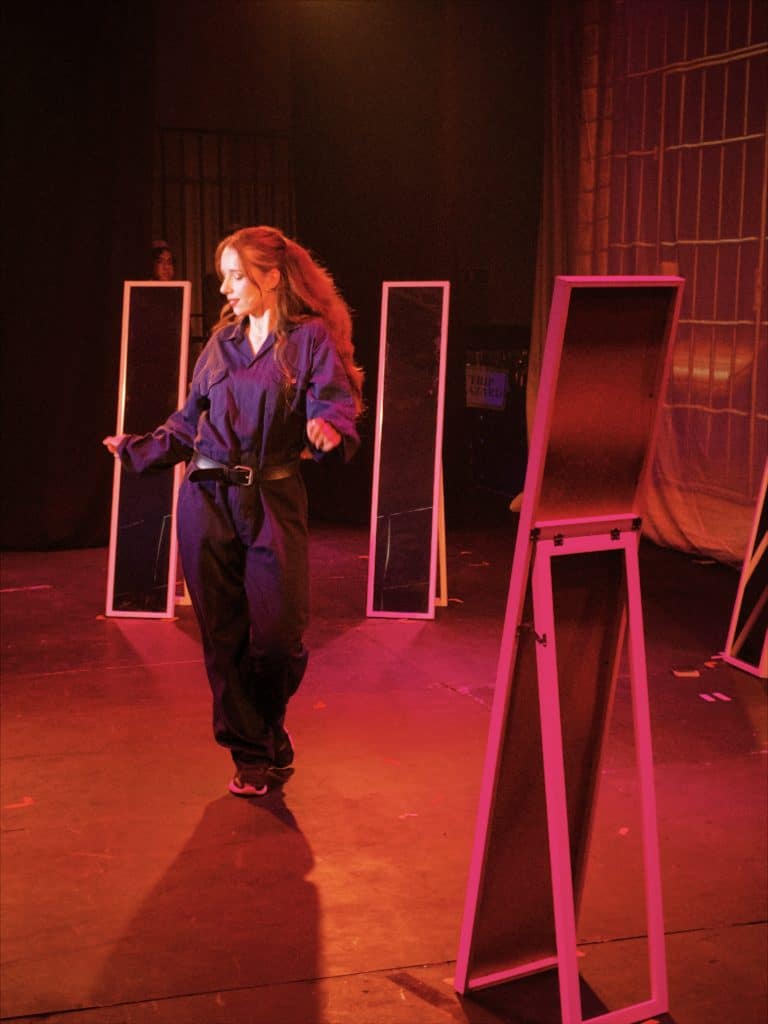
This approach was established powerfully in the opening number, All That Jazz, reimagined as the moment Velma Kelly has already committed murder offstage before calmly preparing to perform as if nothing has happened. Watching Velma wash the blood from her hands and walk confidently down the central aisle, accompanied by her make-up team, while the ensemble delivered the first explosive dance sequence around her, was a striking piece of visual storytelling. The ease with which the cast sang and danced while navigating the audience space spoke volumes about their technical control.
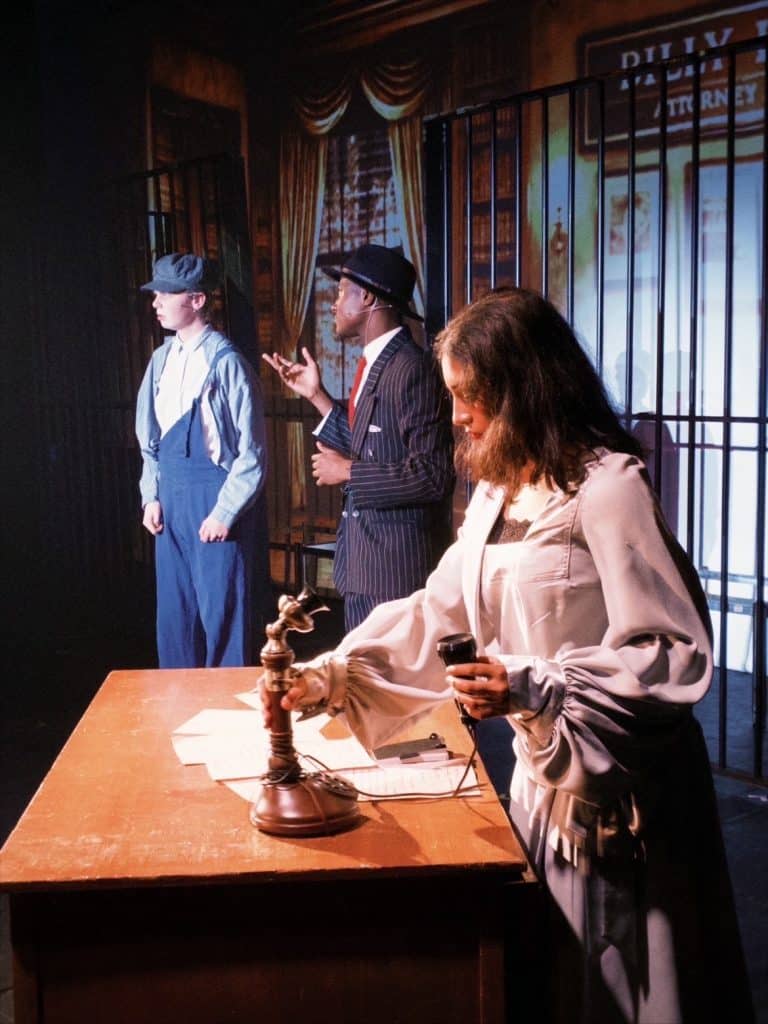
I was consistently impressed by the strength of the principal performances across both casts. Roxie Hart, played by Mariyah Baig (Cast 1) and Justyna Galecka (Cast 2), was delivered with vocal confidence, clarity of intention, and a strong physical presence. Their performances stood out particularly in Funny Honey and My Own Best Friend, where assured singing combined with sharp character work and controlled movement to reveal Roxie’s self-absorption and hunger for attention.
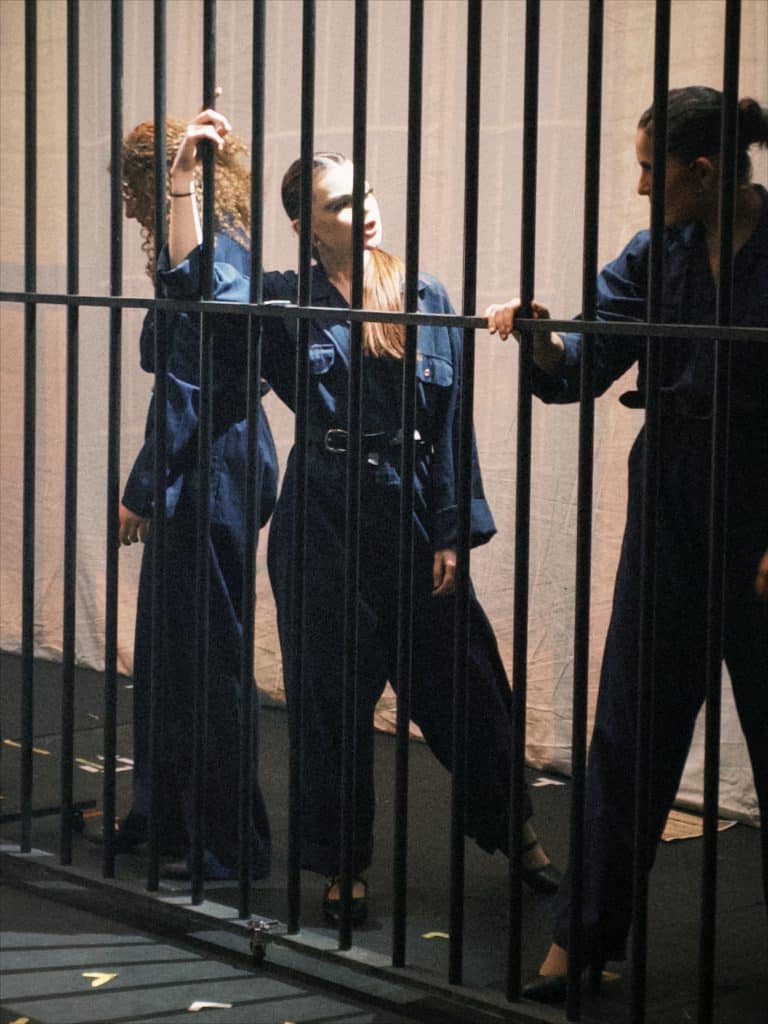
Velma Kelly, portrayed by Naomi Paquette (Cast 1) and Anaya Reid (Cast 2), brought authority, precision, and formidable dance technique to the role. Both performers navigated Velma’s choreography with strength and attack, particularly in Cell Block Tango and I Can’t Do It Alone, where rhythmic accuracy, physical control, and vocal stamina were all on full display.
As Billy Flynn, Wilfred Nguini (Cast 1) and Tristan Allen (Cast 2) delivered performances that were as physically thrilling as they were theatrically astute. Their work combined confident vocal delivery with circus skills, sleight of hand, and moments of acrobatics, reaching a breath-taking peak in Razzle Dazzle. What unfolded felt less like a courtroom scene and more like a carefully engineered illusion, built in front of our eyes. Through movement, magic, and direct address, both performers invited the audience to become willing accomplices in the fabrication of truth, complicit in the dazzling deception that underpinned the scene.
I was equally proud of the performances from Cordelia Jarville (Cast 1) and Gabriela Konat (Cast 2) as Matron “Mama” Morton. When You’re Good to Mama showcased confident vocals, grounded physicality, and an easy authority that filled the space, with both performers maintaining control while engaging directly with the audience.
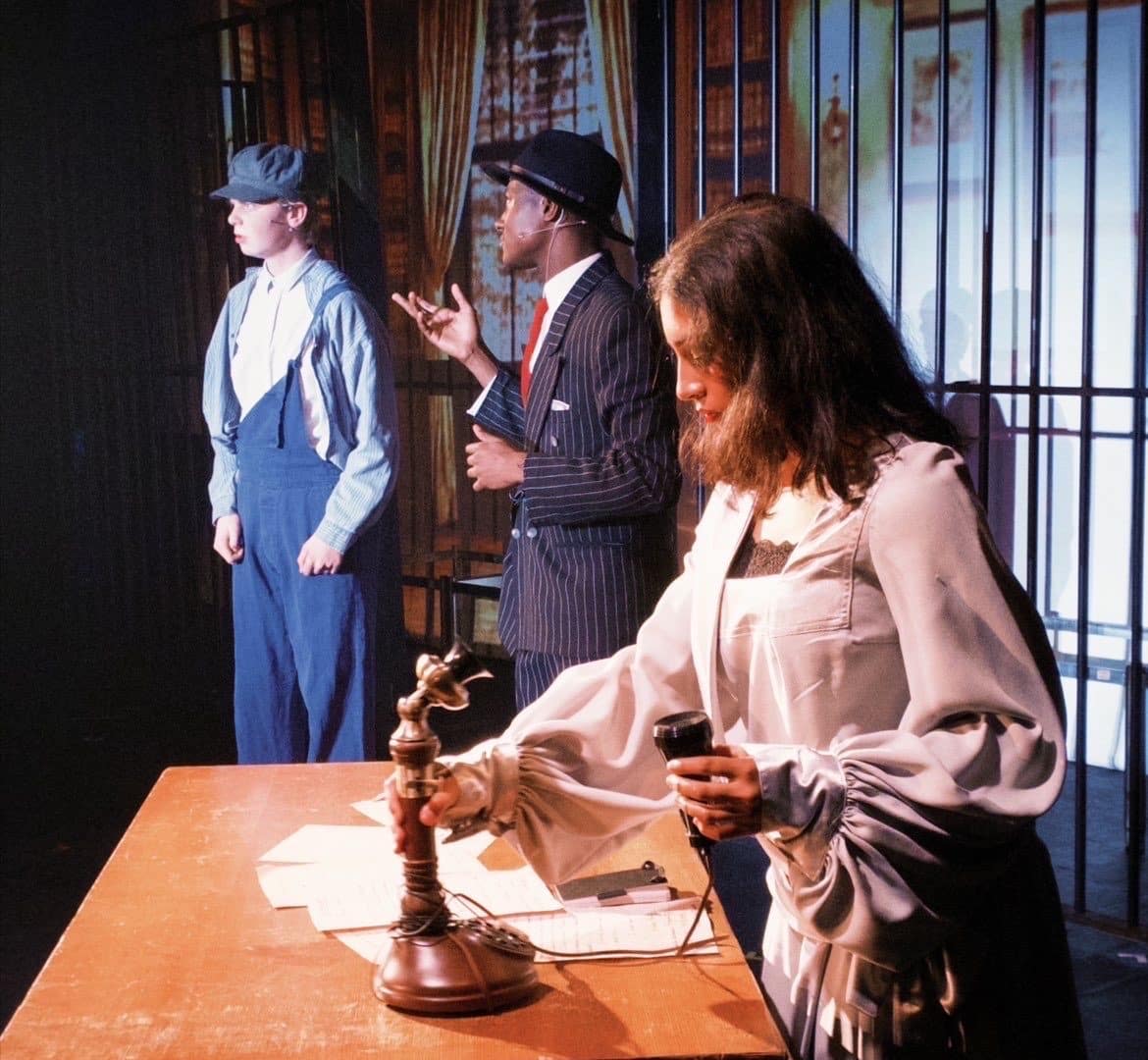
The supporting principals demonstrated the same high level of musical and physical discipline. Alex Pickford (Cast 1) and Jack Chappell (Cast 2) brought sensitivity and control to Amos Hart, ensuring Mr Cellophane landed with vocal restraint and emotional honesty. Meghan Kumar (Cast 1) and Kelly Fernandes (Cast 2) handled Mary Sunshine with clean vocal lines and measured physicality, allowing the satire of the role to emerge without undermining its sincerity.
The Merry Murderesses — Laura English, Bess Di-Luzio, Carina Bastos Figueirido, Veronika Zhygalova, and Ellie Harper — delivered Cell Block Tango with rhythmic precision, vocal power, and striking ensemble unity. Their control of timing, breath, and movement was exemplary, underscoring the professional standard the cast consistently achieved.
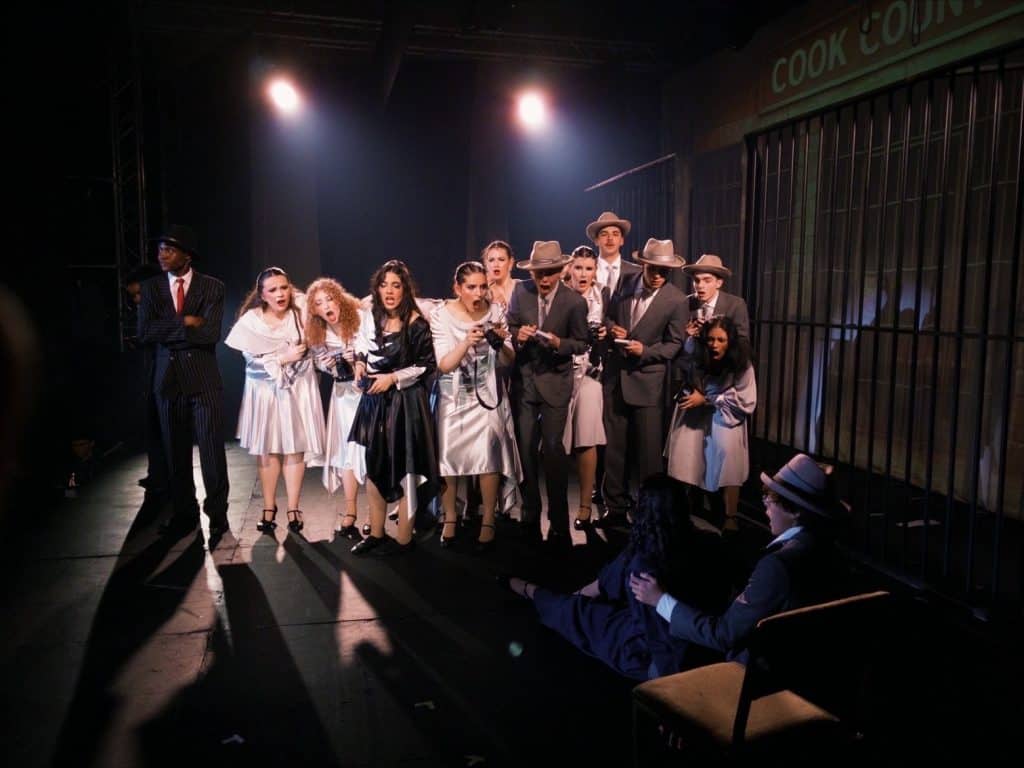
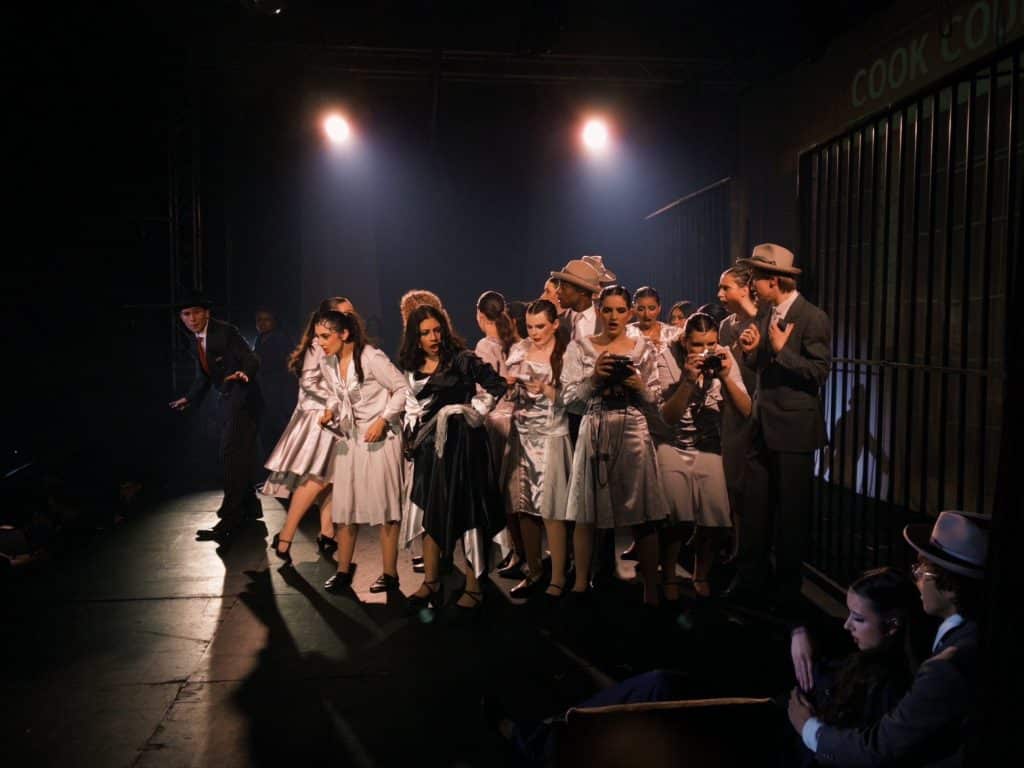
Throughout the evening, the ensemble sustained an impressive level of technical focus. Whether tap dancing, executing complex jazz choreography, or maintaining vocal strength through extended sequences, they demonstrated stamina and commitment. As reporters, jurors, club regulars, and witnesses, they remained responsive to the audience while never sacrificing musical or physical accuracy.
Overall, Chicago – Teen Edition was a production built on skill as much as style. The expert singing, disciplined dance technique, and fearless physical performance across the cast resulted in a show that felt confident, alive, and genuinely impressive. Watching these students rise to the technical and theatrical demands of such a challenging piece — and meet them head-on — was a source of immense pride.
Thank you once again to all the cast, crew and production teams who made this fantastic show come to life. Thank you to our audiences on both evenings for their support and engagement.
Stephen Leib | Head of Drama and Theatre / Director